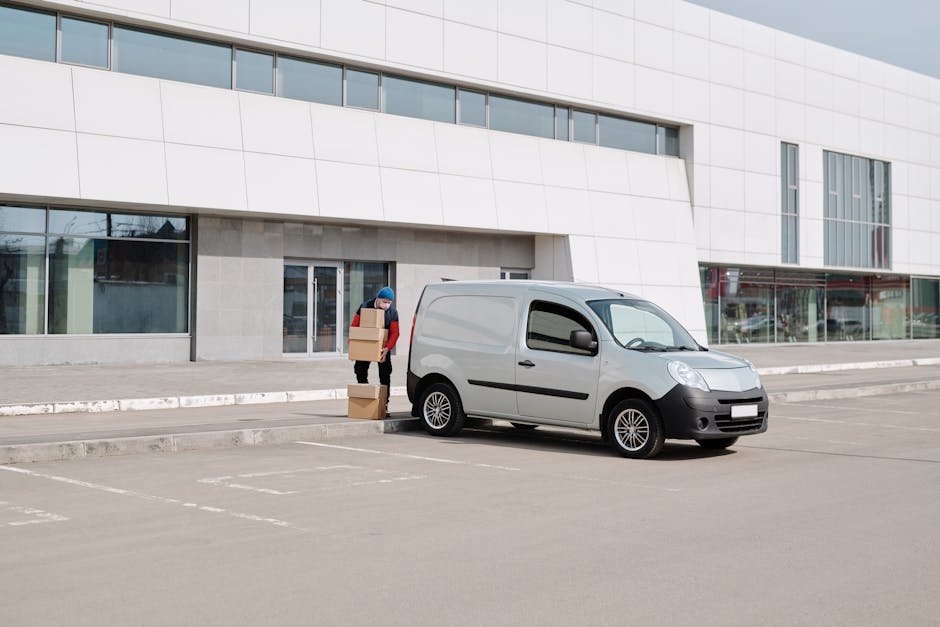
E9 removals parking tips for hassle free loading
If you are planning a move in E9, the parking side of things can make the whole day feel calm or chaotic. The van might be ready, the boxes might be labelled, and then suddenly there is nowhere sensible to stop. That is exactly why E9 removals parking tips for hassle free loading matter so much. A good loading spot saves time, reduces heavy carrying, and keeps everyone less frazzled. In a busy part of East London, a few smart choices can turn a cramped street into a workable move. Truth be told, that is often the difference between a smooth morning and a frustrating one.
Below, you will find a practical, human guide to parking, access, loading order, and the small local details that usually get overlooked until the van is already outside. We will cover planning, common mistakes, compliance basics, and a few field-tested habits that make life easier on moving day.
Table of Contents
- Why E9 removals parking tips for hassle free loading Matters
- How E9 removals parking tips for hassle free loading Works
- Key Benefits and Practical Advantages
- Who This Is For and When It Makes Sense
- Step-by-Step Guidance
- Expert Tips for Better Results
- Common Mistakes to Avoid
- Tools, Resources and Recommendations
- Law, Compliance, Standards, or Best Practice
- Options, Methods, or Comparison Table
- Case Study or Real-World Example
- Practical Checklist
- Conclusion
- Frequently Asked Questions
Why E9 removals parking tips for hassle free loading Matters
Parking is not just a convenience on moving day. It is part of the move itself. If the van has to park too far away, every box, chair, and bag becomes a longer walk. That adds strain, takes more time, and increases the chance of scuffs, dropped items, or people getting under each other's feet. In E9, where you can have narrow streets, resident bays, controlled parking zones, and the occasional awkward corner, parking can be the thing that makes loading feel effortless or, well, annoyingly clumsy.
Hassle-free loading starts with access. If the driver can position the vehicle sensibly, the team can create a direct line from the front door to the loading area. That sounds simple, but in practice it can mean fewer trips, less backtracking, and much less time standing around holding a mattress in the drizzle while somebody else hunts for a space. And let's face it, nobody enjoys that part.
There is also a safety angle. A badly parked van can block sight lines, force people into the road, or make the lift from property to vehicle awkward. Good parking helps the move feel controlled, which matters whether you are moving a studio flat, a family home, or a small office. If you are also comparing move types and support options, pages like removal services and man and van removals can help you understand what kind of loading support suits the job.
How E9 removals parking tips for hassle free loading Works
Good removals parking is really a mix of planning, observation, and timing. You look at the street, think through where the van can stand, check if any restrictions apply, and then organise loading so the vehicle is used efficiently. Simple enough. But the details matter.
The first thing to understand is that a loading space is not always the same as a parking space. In some streets, you may be allowed to stop briefly for loading, but not leave the vehicle unattended for long. In other places, there may be resident-only bays, single yellow lines with time restrictions, or a red route nearby. The rules can vary by street and time of day, so you should not assume that a space that looks empty is automatically safe to use. A quick check before move day saves a lot of improvising later.
Next comes positioning. The ideal spot is usually the closest practical point to the entrance without blocking traffic or making turning impossible. If the building has steps, tight access, or a narrow forecourt, the aim is to reduce the carry distance. In a typical E9 move, you want a route that is direct, clear, and not shared with bins, bikes, or other obstacles if you can help it. A van parked five metres closer can genuinely change the rhythm of the whole loading process.
Finally, loading works best when it follows a plan. Heavy items first, fragile items protected and stacked securely, and smaller bags used to fill gaps. This is where parking and loading are joined at the hip: the van should be positioned so the items can go in without awkward angles or unnecessary lifting. If you are booking packing help as part of the job, take a look at packing and unpacking services to see how professional packing can speed up the loading stage too.
Key Benefits and Practical Advantages
There are a few very real advantages to getting parking right for an E9 removal. They are not glamorous, but they are the bits that make the day feel under control.
- Less carrying distance: the closer the van, the fewer trips and the less strain on your back and arms.
- Faster loading: direct access means teams can keep moving instead of waiting for a space to clear.
- Reduced damage risk: fewer turns, fewer doorways, fewer chances to bang furniture against railings or kerbs.
- Better teamwork: when everyone knows where the van is and how boxes are flowing, the move runs more smoothly.
- Lower stress: parking uncertainty is one of those small things that can snowball fast; remove it early and the day feels lighter.
A good loading position can also help with organisation inside the vehicle. When the rear doors open onto a sensible loading point, you can stack logically rather than shoving everything in because you are rushed. That is especially useful if you are dealing with mixed items like sofas, wardrobes, appliances, and boxes of books that seem to weigh as much as a small engine.
For larger or more complex moves, parking and access planning often matters as much as the lift itself. If your move includes a bigger property or commercial premises, pages such as commercial moves and office removals can give you a better sense of the scale involved.
Who This Is For and When It Makes Sense
These tips are useful for almost anyone moving in E9, but they are especially important if your street is busy, your home is on a main road, or your building has limited curb access. If you live in a top-floor flat with a narrow stairwell, parking becomes even more important because every extra metre from door to van multiplies the effort. Small move? Still worth planning. Big move? Absolutely essential.
This approach makes sense for:
- tenants moving between flats in Homerton, Hackney Wick, or nearby streets
- families moving from terraced houses with limited frontage
- students or sharers moving on a tight timetable
- small businesses shifting stock, desks, or equipment
- landlords arranging quick turnarounds between occupiers
If you are using a man with a van or booking home moves, a bit of parking planning goes a long way. It is one of those things that feels minor until it is not. Then suddenly it is the main thing.
Sometimes you may only need brief roadside stopping for loading. Other times, a more structured arrangement will make sense, particularly if access is tight or time is limited. To be fair, even a simple one-bed move can become fiddly if the parking is badly chosen.
Step-by-Step Guidance
Here is a practical process that works well for most E9 removals. Not fancy. Just reliable.
1. Check the street before move day if you can
Walk or drive past at roughly the time your move will happen. Look for yellow lines, resident bays, signs about loading, school restrictions, or anything that could affect stopping. A street can feel completely different at 8am compared with 11am.
2. Measure the access point mentally
Think about where the van could stand relative to the front door, block, or building entrance. Can a furniture trolley roll from property to van without having to dodge bins, fences, or parked cars? If not, you may need a backup plan.
3. Decide who is handling parking on the day
One person should own this job. That person keeps an eye on the space while everyone else concentrates on lifting and loading. It sounds obvious, but without a clear owner, people assume someone else is sorting it. And then the van idles in the wrong place while a sofa sits halfway down the pavement looking offended.
4. Prepare the first load carefully
Keep the initial wave of items easy to carry and well organised. If the van is close, you can load a few larger pieces first and then fill the gaps with boxes. If the van is slightly further away than hoped, start with the most essential items so the carrying route remains efficient.
5. Protect the route
If possible, clear the walkway between the property and the van. Move bins aside, tuck loose mats away, and make sure doors can stay open safely. Sometimes the difference between smooth and messy is just removing three small obstacles. That's it.
6. Re-check once the van arrives
Even if the plan looked good earlier, the actual parking spot may need a minor adjustment because of traffic, another vehicle, or a neighbour's delivery. Be ready to adapt without panicking. A small change is normal. A full rethink, less so.
Expert Tips for Better Results
From a practical removal point of view, the best parking tips are usually the boring ones. The boring ones work. Here are the ones worth paying attention to.
- Choose the loading side carefully. If one side of the road gives cleaner access to the doorway, use it even if the van ends up a little less central.
- Avoid forcing a "perfect" spot. A van parked legally and safely a little further away is better than a risky position that causes stress or a complaint.
- Keep stairs and entrances clear. A tidy threshold speeds up every trip and reduces hesitation.
- Load by weight and fragility, not just by size. Heavy boxes go low, fragile items stay protected, and odd-shaped items fill dead space.
- Think about the return trip. Sometimes unloading at the new place is easier if the first property is packed in a way that allows quick access to the items you will need first.
- Bring a simple parking plan on paper or in your phone notes. This is not glamorous, but it stops people second-guessing.
A useful real-world trick is to stand at the front door for a moment and visualise the movement path. Where will the heavy wardrobe turn? Where will the boxes queue up? Where is the safest place for the van's rear doors to open? That short pause can save a lot of awkward "hang on, let's move it again" moments.
If the move includes bulky pieces, loading order matters even more. Pages like moving your mattress and bed and sofa preservation tips are useful reminders that large furniture needs a bit of extra care, not just muscle.
Common Mistakes to Avoid
Most parking problems during removals are predictable. The annoying part is that people still run into them. Usually because the day is busy and everyone assumes the obvious answer will work out.
- Assuming a space is fine because it is empty. Empty does not always mean permitted.
- Leaving parking until the van has already arrived. That is when people start making rushed choices.
- Blocking the road "just for a minute". A minute can feel like nothing to you and everything to everyone trying to pass.
- Forgetting building access issues. Steps, gates, shared hallways, and narrow turns all affect where the vehicle should stand.
- Not separating loading items. If everything is mixed together, the best parking spot in the world will not save you from delay.
- Overestimating how far people will happily carry heavy items. They may do it, but nobody enjoys it. And it shows.
One of the more common mistakes in E9 is underestimating local street conditions. A road that looks manageable during a quiet afternoon can feel very different with school runs, deliveries, or commuters passing through. If you want a more neighbourhood-specific perspective, the posts on narrow street moves and station access challenges are helpful because they reflect the practical realities of the area.
Tools, Resources and Recommendations
You do not need a huge toolkit for better parking and loading. But a few practical items make a noticeable difference.
| Tool or resource | Why it helps | Best use |
|---|---|---|
| Phone notes or a printed plan | Keeps the parking plan clear and easy to share | Before and during the move |
| Box labels | Speeds loading and reduces searching | Especially useful for mixed-room moves |
| Furniture blankets and straps | Protects items during short carries and vehicle loading | Heavy or awkward items |
| Trolley or sack truck | Reduces manual carrying where access allows | Boxes, appliances, and heavier loads |
| High-visibility communication | Helps the team stay aware of the van, traffic, and route | Busy streets and low-light conditions |
It is also worth knowing what level of moving support you need. Some jobs are fine with a small van and careful parking; others need a larger vehicle and a more structured loading approach. If you are comparing vehicle types, removal van, moving van, and moving truck pages can help you think through capacity and access.
If budget matters, it can also help to look at pricing and quotes early, because the cost of a move can be shaped by access time as much as by distance. Sometimes a slightly better parking plan reduces labour time enough to make the whole job more efficient. Nice when that happens, to be fair.
Law, Compliance, Standards, or Best Practice
Parking for removals in E9 should always stay within the local rules that apply to the street, the time of day, and the type of bay or restriction in place. That means checking signs carefully and not relying on guesswork. If a location is controlled, loading activity may still be allowed in certain circumstances, but you should not assume this without verifying the specific restriction. Councils can also change local arrangements, so anything you see on one move may not apply the same way next time.
Best practice is straightforward: do not block emergency access, do not park in a way that endangers pedestrians, and keep the loading process as tidy as possible. If neighbours, building managers, or porters are involved, clear communication helps a lot. You are much less likely to run into trouble if the plan is obvious and respectful.
For removals companies, insurance and safety expectations matter too. It is sensible to choose a provider that treats handling, vehicle positioning, and item protection seriously. You can review general standards through health and safety policy and insurance and safety. That does not mean every move needs a formal document in your hand, but it does mean the business should be operating with care, not winging it.
If you are managing a property or letting arrangement, more organised access planning can matter even more. Useful background can also be found in what to know about Hackney council permits for removals and road closures and parking permits checklist, which speak to the kind of practical checks people often forget until the last moment.
Options, Methods, or Comparison Table
Different parking approaches suit different moves. Here is a simple comparison to help you decide what is sensible for your situation.
| Parking approach | Best for | Pros | Trade-offs |
|---|---|---|---|
| Kerbside loading near the entrance | Short moves, lighter loads, straightforward streets | Fastest carry, easiest coordination | May be limited by restrictions or traffic |
| Reserved or managed loading position | Busy roads, flats, controlled access sites | Predictable access, less disruption | May require advance planning |
| Parking a short distance away | Tight streets or unavailable frontage | Sometimes the only realistic option | Longer carry, slower loading, more effort |
| Timed loading window | Moves with a strict schedule | Can keep the day structured | Little room for delay if access slips |
In our experience, most residential E9 moves land somewhere between kerbside loading and a short-walk setup. The trick is choosing the least painful option, not chasing the theoretically perfect one. If the road is tight, a small van and strong organisation can be smarter than a larger vehicle that sits half a street away. That is one of those decisions that sounds minor until you actually try moving a wardrobe across a pavement full of parked cars.
Case Study or Real-World Example
Picture a typical two-bedroom flat move in E9 on a weekday morning. The occupants have packed most things well, but the building sits on a street with limited frontage and a few cars already lined up. The first instinct is to park near the entrance and hope for the best. Instead, the move is smoother when the driver checks both sides of the road, chooses the side with the clearest route to the entrance, and leaves just enough space for the rear doors to open safely.
The team then loads in a steady order: a couple of larger furniture pieces first, followed by boxes grouped by room, then lighter items used to fill awkward gaps. Because the van is positioned carefully, nobody is carrying boxes farther than necessary. The hallway stays clear, the front door is not jammed open, and there is no awkward dance around a neighbour's bin store. It is simple, really. But simple is often what makes moving day feel humane.
Later, the same mover mentions that the biggest improvement was not the size of the van or the number of hands. It was parking. That is the bit people underestimate. Once the access was right, everything else behaved better. The whole job had less friction. Less griping. Less wobble.
Practical Checklist
Use this checklist before the van arrives. A quick run-through can prevent a surprising amount of stress.
- Check the street signs and loading restrictions in advance
- Confirm who will manage parking on the day
- Identify the closest practical loading point to the door
- Clear the route from property to van where possible
- Separate heavy items, fragile items, and last-minute essentials
- Have blankets, straps, and a trolley ready if needed
- Keep the van position flexible if traffic or access changes
- Make sure everyone knows where the first load should go
- Review whether a larger or smaller vehicle suits the street better
- Leave a little breathing room. It helps more than people expect
Expert summary: the best E9 removals parking tips for hassle free loading are rarely dramatic. They are steady, practical, and a little unglamorous. Plan the space, protect the route, choose the right vehicle, and keep the loading rhythm clean. That is the recipe. Not fancy, but it works.
Conclusion
Parking may seem like a small part of a move, but in E9 it can shape the whole experience. The right loading position reduces carrying, protects furniture, and keeps the day feeling organised rather than frantic. If you get the parking right, the rest of the move usually follows more naturally. And if you are dealing with narrow streets, limited frontage, or a busy local road, that extra planning is not overkill. It is smart.
If your move is approaching and you want a clearer picture of costs, access, and vehicle choice, it is worth reviewing your options early so there are no surprises on the day.
Get a free quote today and see how much you can save.
Small planning choices make a surprisingly big difference. Get the parking right, and the move starts breathing easier.
Frequently Asked Questions
What are the most important E9 removals parking tips for hassle free loading?
The most important tips are to check the street restrictions, choose the closest safe loading point, and keep the route from door to van clear. If the van can stop legally and sensibly near the entrance, loading becomes much quicker and safer.
Do I need to arrange parking for a removal van in E9?
Sometimes yes, sometimes no. It depends on the street, the time of day, and the type of parking restrictions in place. It is always better to check in advance than assume the van can stop wherever it likes.
How early should I check parking before moving day?
If possible, check a day or two ahead. Even a short look at the street can reveal resident bays, loading-only zones, or access pinch points that are easy to miss when you are rushing.
What if there is no space right outside the property?
Use the nearest practical legal space and shorten the walking route as much as possible. A slightly longer carry is usually better than blocking traffic or parking in a risky position.
Are narrow streets a big problem for removals in E9?
They can be, especially if the van is large or the street is busy. The solution is usually better planning, smarter vehicle choice, and careful timing rather than hoping for luck.
Is a larger van always better for moving?
No. A larger van may hold more, but it can be harder to position on tight E9 streets. Sometimes a smaller, easier-to-park vehicle is the more efficient option overall.
How do I make loading faster on moving day?
Group items in advance, label boxes clearly, keep walkways clear, and park the van as close as is safely possible. Loading speed often comes from organisation rather than sheer effort.
Can parking issues increase moving costs?
Yes, they can. If parking is awkward, crews may need more time to carry items or wait for access. Better parking planning can sometimes reduce the time needed on site.
What should I do if a neighbour's car blocks the best loading spot?
Stay calm and look for the next safest legal option. In many cases, the job can still go ahead efficiently if you adapt the loading route and keep the team informed.
What items should be loaded first when parking is tight?
Usually the heaviest and most awkward items first, as long as they can be handled safely. Then fill the remaining space with well-packed boxes and lighter items. That keeps the route efficient and the van balanced.
Do I need special equipment for hassle free loading?
Not always, but trolleys, straps, and furniture blankets are useful if access is awkward or the items are bulky. The right tools can reduce strain and speed things up a lot.
Where can I find more help with move planning and access?
You can read more about related moving services, parking considerations, and quote options on pages like removal companies, removals, and contact us if you want to discuss your situation directly.