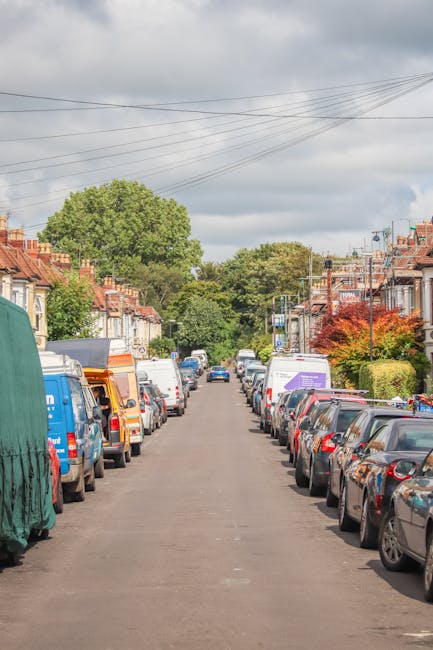
Road closures and parking permits Homerton removals checklist
If you are moving home in Homerton, the smallest logistics issue can turn into the biggest headache. A van that cannot stop near the door, a suspended bay you did not notice, or a road closure on moving day can throw the whole schedule off. That is why a proper Road closures and parking permits Homerton removals checklist matters. It helps you avoid fines, save time, and keep the move calm enough that you can actually think straight when the kettle is packed away and the boxes start stacking up.
This guide walks you through the practical side of local moving plans: how parking permissions usually work, what to check before moving day, how roadworks and closures affect access, and how to build a sensible checklist that fits a real Homerton move. If you are also comparing services, it may help to look at our services overview or explore house removals in Homerton for a fuller picture of what a managed move can include.
Table of Contents
- Why Road closures and parking permits Homerton removals checklist Matters
- How Road closures and parking permits Homerton removals checklist Works
- Key Benefits and Practical Advantages
- Who This Is For and When It Makes Sense
- Step-by-Step Guidance
- Expert Tips for Better Results
- Common Mistakes to Avoid
- Tools, Resources and Recommendations
- Law, Compliance, Standards, or Best Practice
- Options, Methods, or Comparison Table
- Case Study or Real-World Example
- Practical Checklist
- Conclusion
- Frequently Asked Questions
Why Road closures and parking permits Homerton removals checklist Matters
Homerton is busy, practical, and very much a real-world London area where access can change quickly. A removal van needs room to stop, load, and depart without getting in the way of traffic, neighbours, or local restrictions. That sounds obvious. Yet in practice, a move can go sideways because someone assumed the street would be fine, only to discover permit rules, a road closure, or a temporary parking suspension on the morning.
For removals, the issue is not just convenience. It is timing. If your van has to park two streets away, every box, sofa cushion, and awkward lamp suddenly takes longer to move. If the road is narrowed by works, a larger vehicle may struggle to access the address safely. And if you are moving a heavy item like a piano or a fridge, that extra distance really matters. It is one of those things people underestimate until they are halfway down a pavement with a drawer that feels twice its actual weight.
Local access planning also helps protect your deposit and your sanity. Fines, delays, or blocked access can lead to extra labour, extended van hire, and more stress than you bargained for. A good removals plan is not just about boxes and tape. It is about the street outside the front door.
If your move includes specialist items, the access question becomes even more important. You can see how it affects careful transport in our guide to piano removals in Homerton and in the advice on moving a mattress and bed safely.
How Road closures and parking permits Homerton removals checklist Works
The process is straightforward in principle, but the details matter. First, you confirm whether the property is in a controlled parking area or near any restrictions. Then you check whether the vehicle can legally stop close enough to load. After that, you look for temporary changes such as roadworks, suspended bays, event closures, or access limitations from adjacent streets. The goal is to remove guesswork from moving day.
In many London areas, parking permits or dispensations may be needed for removal vehicles, though the exact process depends on the street and local authority rules. Sometimes a permit covers a specific bay or a time window. Sometimes there are exemptions or alternative arrangements for loading. Sometimes there are none at all and you need to plan around the restriction. This is where a lot of people trip up: they assume that because they are only there for a few hours, the rules will be relaxed. Usually, they are not.
A proper removals checklist should capture three things:
- Where the van can legally stop
- Whether any road closures or restrictions affect access
- What backup plan you will use if the first option fails
That backup plan might be as simple as a secondary parking point, extra porters, or an earlier arrival window. It might also mean booking storage for a short period if access changes at the last minute. If that sounds inconvenient, yes, it can be. But it is usually much less inconvenient than finding out too late.
For a move with lots of loose items, use a packing approach that makes lift-and-carry work faster; our packing tips for a seamless transition to a new home can help with that side of the planning. You may also find packing and boxes in Homerton useful if you are still getting organised.
Key Benefits and Practical Advantages
When done properly, this kind of planning makes a move feel noticeably calmer. Not perfect, because moves rarely are, but calmer. The benefits are practical and immediate.
- Fewer delays: the van arrives where it can actually work.
- Lower risk of penalties: fewer parking mistakes and fewer surprises.
- Better labour efficiency: fewer extra metres carrying boxes by hand.
- Safer handling: less chance of awkward lifting in the street.
- Less stress on neighbours and access routes: especially important on narrow residential roads.
- Cleaner scheduling: your move can be timed around roadworks, school traffic, or busy periods.
There is also a quieter benefit: it makes the move feel under control. That matters more than people admit. A removals day has enough moving parts already. If the parking is sorted and the access route is known, you can focus on the actual house move instead of chasing parking issues at 8:15 in the morning while someone is asking where the vacuum cleaner went.
Practical takeaway: good access planning does not just save time. It protects the whole move from small problems that become big ones when the van is large, the street is tight, or the weather is doing its usual London thing.
For more on choosing the right kind of help for different move sizes, you might also compare man with a van in Homerton with broader removal services in Homerton.
Who This Is For and When It Makes Sense
This checklist is useful for almost anyone moving within or out of Homerton, but some people need it more than others.
- Flat movers where parking is tight and lifts or stair access already slow things down.
- Families moving house with a long list of boxes and furniture that needs quick loading.
- Students who may be moving on short notice and using smaller streets or shared buildings.
- Office movers who need timing, vehicle access, and minimal disruption.
- People with bulky or fragile items such as pianos, large sofas, mattresses, or freezers.
- Anyone booking same-day help and needing access decisions quickly.
It also makes sense if you are already feeling squeezed by time. A lot of moves happen in a messy real-life way, not a perfect spreadsheet way. Maybe the keys are late. Maybe the seller is still finishing up. Maybe your building has awkward bay restrictions. If any of that sounds familiar, access planning becomes less of a nice extra and more of a necessity.
Students and renters moving from smaller properties may find our student removals Homerton page helpful. For tighter spaces, flat removals in Homerton is often the more relevant service view.
Step-by-Step Guidance
Here is a sensible way to build the checklist without overcomplicating it. Keep it practical. Keep it local. And yes, write it down somewhere you will actually see it.
1. Confirm the moving date and time window
Start with the basics. Do you have a fixed completion time, a tenancy handover slot, or a flexible moving window? That shapes everything else. If the move is happening during school drop-off or evening traffic, you may need to adjust your parking plan.
2. Check the street outside the property
Look at the immediate road, not just the postcode. Is it one-way? Is it narrow? Are there loading bay markings, double yellow lines, suspended spaces, or resident-only parking? A quick walk outside often tells you more than a vague memory from your last visit.
3. Look for road closures or temporary works
Check for planned road closures, utility works, scaffolding, resurfacing, or diverted traffic. Even partial restrictions can affect van access. If the road is technically open but narrowed, a driver may need a different approach or a smaller vehicle. This is why some people end up preferring a removal van in Homerton suited to local access rather than assuming bigger is better.
4. Decide whether a permit or dispensation is needed
If parking is limited or controlled, make sure you know whether the vehicle needs a permit, a loading exemption, or another arrangement. If in doubt, do not leave it to chance. A five-minute assumption can become a very expensive mistake.
5. Plan the loading point
Pick the exact place where the van should stop, ideally with room for doors, ramps, and safe lifting. If needed, identify a second option nearby. This is especially useful on streets where one side is busier or where a bay may be suspended at short notice.
6. Match the access plan to your items
A one-bed flat with boxes is not the same as a family home with wardrobes, a freezer, and a piano. The bigger or more awkward the item, the more important it is to keep the carry distance short. If you are moving a delicate instrument, read why experts matter in piano transport.
7. Brief everyone involved
Tell the movers, driver, and anyone helping on the day where to park, which entrance to use, and what to do if the first option is blocked. One short message the day before can save ten awkward phone calls on the morning.
8. Keep a backup plan ready
Have a Plan B. That might mean a nearby side street, a slightly earlier start, or temporary storage for part of the load. If you need a holding solution, storage in Homerton can make the difference between a smooth move and a chaotic one.
Expert Tips for Better Results
A few small moves can make a big difference. Honestly, they often do.
- Visit the street at the same time of day as the move so you can judge traffic, parking turnover, and busier loading periods.
- Take photos of the frontage and nearby parking signs so there is no argument later about what was visible.
- Ask about suspended bays early if you are moving into or out of an area with roadworks or building activity.
- Use clear labels on boxes to reduce time spent hovering in the street deciding where things go.
- Keep essential documents and keys with you rather than buried in a box somewhere near the kettle.
- Build in a small time cushion because things do slip. That is just moving life, to be fair.
Another practical tip: if you are moving from a cluttered home, reduce the volume before move day. Less stuff means less time parked, fewer trips, and fewer decisions in a tight space. Our guide on achieving a clutter-free move is useful if you are in that stage where every drawer seems to contain mystery cables.
And if the move involves a deep clean before handover, look at pre-moving house cleanliness tips. It is easier to clean while the access route is still clear than after every box has been wedged into the hallway.
Common Mistakes to Avoid
There are a handful of recurring problems that show up again and again. None of them are glamorous. All of them are avoidable.
- Assuming parking will be available because it was fine on a previous visit.
- Ignoring temporary road closures caused by works, events, or suspended access.
- Forgetting the height or width of the van when choosing a route.
- Leaving permit checks until the morning of the move when nobody wants admin.
- Not telling neighbours if the road will be busy or partially blocked.
- Booking too tight a time slot and expecting the move to behave perfectly.
- Failing to check the nearest legal loading point and trying to improvise on the day.
The biggest one, in truth, is underestimating the knock-on effect. One minor access issue can slow everything else down. Boxes get delayed. Furniture gets handled more times than it should. The van stays parked longer. Everyone gets tired. It snowballs, rather unhelpfully.
If you are moving particularly heavy items alone before the removals team arrives, our article on lifting heavy items safely is worth reading, though the honest advice is that some things are better left to the pros.
Tools, Resources and Recommendations
You do not need a drawer full of specialist gear to get this right. A few simple tools and habits are enough.
| Tool or Resource | What It Helps With | Why It Matters |
|---|---|---|
| Street photos | Parking signs, access points, and loading spots | Removes guesswork and helps the driver plan |
| Printed move plan | Times, addresses, contact numbers, and bay details | Useful when phones are busy or battery is low |
| Tape, labels, and marker pens | Clear box identification | Speeds up loading and unloading |
| Local area map | Alternative access routes | Handy if the main road is restricted |
| Storage option | Short-term holding of items | Good backup if access changes at the last minute |
For practical support, a good removals company should be able to talk through access, parking, and timing without making you feel like you should have known everything already. That is part of the service. If you want to understand the business side as well, take a look at pricing and quotes and about us to see how the service is positioned and what you can expect.
For safety-focused planning, our insurance and safety page and health and safety policy are worth reviewing too. They help set realistic expectations around handling, care, and responsible working practices.
Law, Compliance, Standards, or Best Practice
Parking and road access in London can involve local council rules, temporary restrictions, and traffic regulations that vary by location. The exact requirements for permits, loading, waiting, or dispensations depend on the street and the authority responsible for it, so it is wise to verify the current situation rather than relying on memory or hearsay.
In practical terms, best practice usually means:
- checking signage on the street before the move
- confirming the vehicle can lawfully stop where planned
- allowing enough time for loading without overstaying any permitted window
- keeping the route clear for pedestrians and neighbours
- coordinating with anyone who may be affected by the van's presence
For removals companies, working safely and responsibly should also mean proper handling methods, clear communication, and suitable vehicles for the access available. That is especially relevant on narrow London roads where the safest plan is often the simplest one.
If you are comparing providers, make sure the company is transparent about its terms and conditions, payment process, and the practical limits of what it can do on your street. Our pages on payment and security, terms and conditions, and complaints procedure are there to help set that expectation clearly.
Options, Methods, or Comparison Table
There are a few ways to handle parking and access during a Homerton move. The best choice depends on your street, your load, and how much time you have to organise things.
| Approach | Best For | Pros | Trade-offs |
|---|---|---|---|
| Pre-booked parking or permit planning | Moves with fixed dates and predictable access | Most organised, fewer surprises | Needs early planning and local checks |
| Flexible loading with backup street options | Busy roads or areas with changing restrictions | Adaptable on the day | May involve a longer carry distance |
| Smaller vehicle for tighter streets | Narrow access or difficult corners | Easier manoeuvring, less stress | May require more trips |
| Temporary storage before or after move | Delayed keys, access issues, or staged moves | Removes pressure from move day | Adds an extra step to the process |
There is no perfect answer for every street. A smaller van is not automatically better, and a permit is not always necessary. The right option is the one that matches the actual conditions outside your property, not the idealised version in your head.
If you are moving furniture-heavy rooms, a service like furniture removals in Homerton can be especially useful because the loading plan becomes much more structured.
Case Study or Real-World Example
Imagine a second-floor flat near a busy residential street in Homerton. The move is booked for a Friday morning, the keys are ready, and everything seems manageable. Then the driver arrives and finds that the nearest parking bay is suspended for works. The street is open, but the available stopping point is further away than expected. Suddenly the plan changes.
Instead of loading directly outside, the team uses a nearby legal stop point, keeps the fastest-moving boxes together, and moves larger items in a more deliberate sequence. The mattress and table are loaded first, because they take up room and are awkward to manoeuvre. Smaller boxes are carried in runs after that. It is not dramatic, just efficient. The move still happens, but with less friction.
Now compare that with a version where the team had checked the bay suspension the day before. The van could have been positioned more sensibly, the lift-and-carry distance would have been shorter, and the whole job would have finished earlier. Same move, very different feel. That is the value of the checklist.
We see a similar pattern with urgent jobs too. If you need a quick turnaround, our same-day removals in Homerton page and the same-day removals guide can help you think through what matters most when time is tight.
Practical Checklist
Use this as your no-nonsense moving-day checklist. Keep it printed or saved on your phone. Better yet, both.
- Confirm the moving date, arrival time, and any key collection window.
- Check whether the property street has parking restrictions or permit requirements.
- Look for road closures, roadworks, suspended bays, or temporary access limits.
- Decide where the removal van will legally stop.
- Identify a backup loading point if the first option is unavailable.
- Confirm the route from van to property entrance.
- Notify neighbours if loading may affect shared access.
- Label boxes clearly and keep essentials separate.
- Set aside documents, keys, chargers, and valuables.
- Prepare a plan for bulky items such as sofas, beds, fridges, or instruments.
- Speak to your removals provider about vehicle size and access needs.
- Keep contact details handy for the driver and key holder.
- Have a short-term storage fallback if access changes unexpectedly.
- Double-check the street the evening before the move, if possible.
If you are still deciding between a simple van hire-style move and a more supported service, our man and van Homerton page is a useful place to start. You can also review removals in Homerton for a wider service overview.
Conclusion
Road access, parking permissions, and temporary closures are easy to overlook until they become the thing that slows everything down. A sensible Road closures and parking permits Homerton removals checklist gives you a clearer route through the day, helps avoid penalties, and makes the actual moving work much more manageable. In a busy area like Homerton, that kind of preparation is not overkill. It is just smart.
My honest advice? Keep the checklist simple, check the street early, and build one backup plan. That alone will save a lot of unnecessary stress. And if your move involves bulky furniture, specialist items, or a tight street, bringing in experienced help can be the difference between a frantic morning and a decent, orderly move. Nice if the day feels a bit calmer than expected, isn't it?
Get a free quote today and see how much you can save.
If you want to talk through your move, parking concerns, or access issues in more detail, you can always reach out via our contact page. Sometimes a ten-minute conversation clears up the whole plan. Funny how often that happens.
Frequently Asked Questions
Do I need a parking permit for removals in Homerton?
It depends on the street, the local restrictions, and whether the vehicle needs to stop in a controlled bay or loading area. Some roads require a permit or another arrangement, while others may allow loading for a limited time. Always check the specific address rather than assuming.
How far in advance should I check for road closures?
Ideally, check as soon as the moving date is confirmed, then check again closer to the day. Temporary roadworks or suspensions can appear after you have already planned everything, so a second look is sensible.
What happens if the van cannot park outside my property?
Usually the team will use the nearest legal alternative stopping point and carry items from there. That may take longer, so it is better to identify a backup spot in advance. In some cases, smaller vehicles or temporary storage may be the better option.
Can a removal van stop on double yellow lines?
Not automatically. Some loading or unloading allowances may apply in certain areas, but they are not universal and cannot be assumed. It is always safer to verify the rules for the street before moving day.
What should I do if there is a road closure on the day of my move?
Contact your removals provider immediately, review the alternative route, and confirm the nearest legal access point. If the closure blocks safe access entirely, the move may need to be adjusted or split into stages.
Are same-day removals more likely to have parking problems?
They can be, mainly because there is less time to plan access carefully. That does not mean they cannot work well, but it does mean a quick parking check is especially important. Our same-day removals guide covers that in more detail.
Should I book a bigger van to save time?
Not necessarily. A bigger van can reduce trips, but it can also be harder to park or manoeuvre in a tight Homerton street. The best choice is the one that matches both the load and the access conditions.
How do I plan for heavy or fragile items?
Separate them early, tell your mover in advance, and make sure the carrying route is as short and clear as possible. For fragile or specialist items, such as a piano, expert handling is usually the safer route.
What if I am moving from a flat with limited access?
Flat moves often need more careful planning because of stairs, lifts, entry codes, and tighter street access. If that sounds like your situation, a service focused on flat removals in Homerton may be the most relevant fit.
Can storage help if parking or access becomes difficult?
Yes. Short-term storage can take the pressure off if keys are delayed, the road changes at the last minute, or you need a staged move. It is not always necessary, but it is a useful fallback.
How do I make sure my removals company understands the parking plan?
Share the full address, the best loading point, any permit details, and the backup option before moving day. Clear instructions reduce confusion and help the driver arrive prepared. It sounds basic, but that is often where the win is.
Is it worth checking a company's policies before booking?
Yes. Knowing how a company handles safety, payment, and complaints gives you a better sense of how organised and transparent they are. Our pages on health and safety and terms are a good example of the kind of information that should be easy to find.